

Discover what niacinamide can do for pores, oil, and the skin barrier, including how to use it and combine it with vitamin C and retinol.
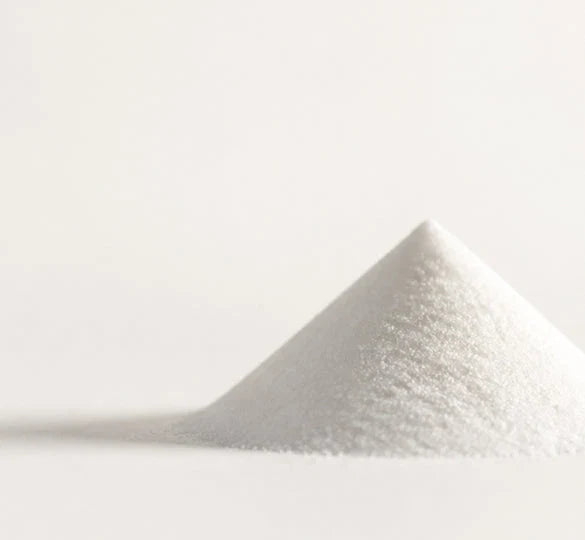
Tranexamic acid takes a different approach to uneven tone.It is not an exfoliating acid and does not work by peeling away the surface of the skin. In topical skincare, it is used to address process...

Some skincare ingredients are known for one dramatic action. N-acetyl glucosamine is more understated.It supports several qualities that help the complexion look naturally refined: hydration, smoot...

Hyaluronic acid is known for hydration, but its role is often exaggerated.It can make fine dehydration lines appear less noticeable and improve the way light reflects from dry or uneven texture.It ...

A good morning skincare routine does not need to be complicated. Its purpose is to prepare the skin for the day: cleanse without stripping, address your principal concern, maintain hydration, and...

An evening skincare routine should remove what has accumulated throughout the day—dirt, oil, makeup, and environmental pollutants—while applying targeted care with intention. The goal is to leave y...

Bare skin does not mean flawless skin. It means a complexion that feels comfortable enough to be seen without requiring foundation to correct every visible variation — natural texture, pores, expre...

Fine lines are part of a face that moves, smiles, and expresses itself. Skincare is not about removing that expression — it is about helping the skin stay hydrated, smooth, resilient, and comfortab...

Skin can produce oil and still lack water. It can feel tight after cleansing, look dull by afternoon, or show fine surface lines that seem more noticeable from one day to the next. Dehydrated skin ...